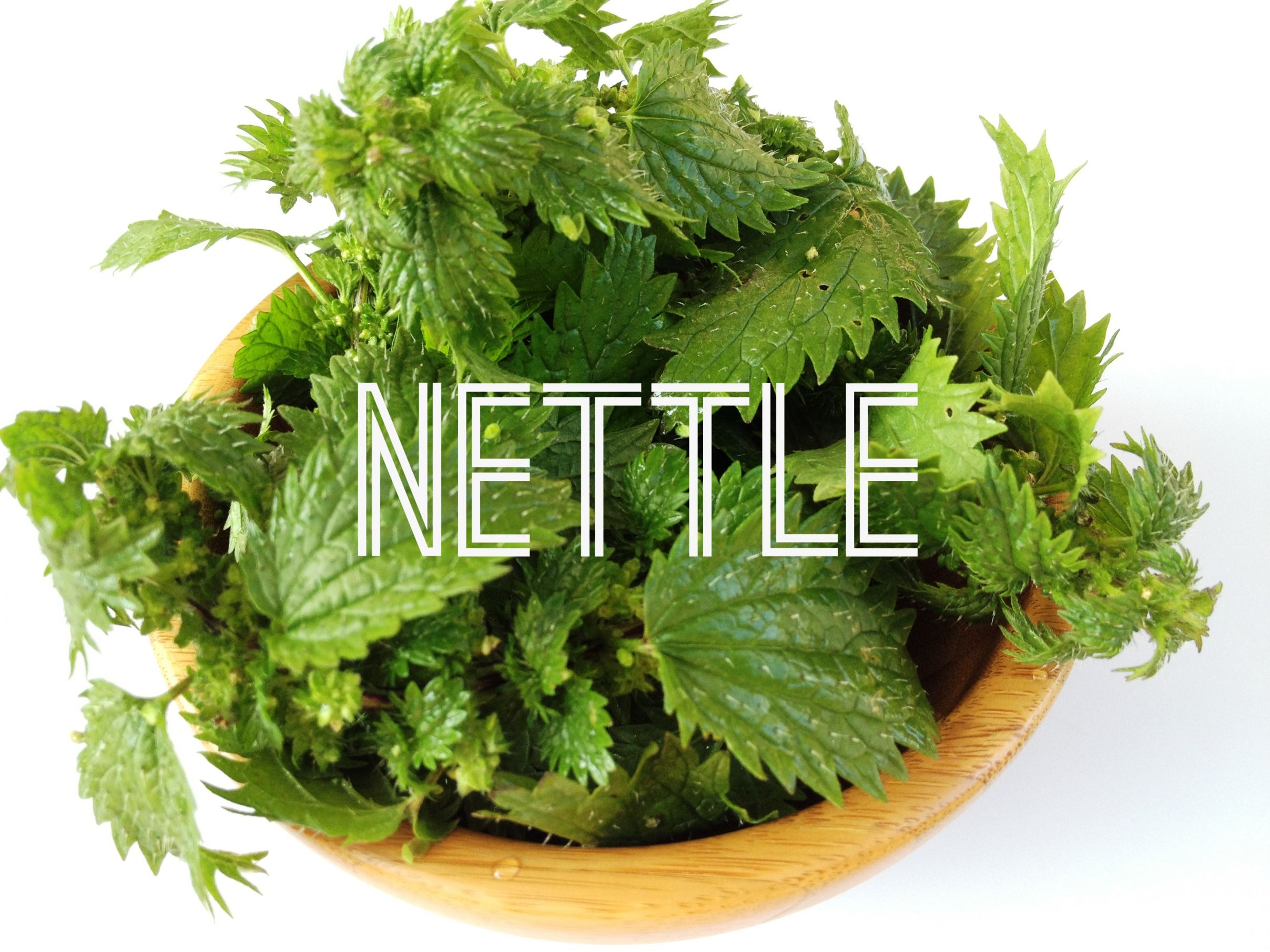
Nettle (Urtica dioica), more commonly known as stinging nettle, has been used in traditional herbal medicine for centuries. Often dismissed as a troublesome garden weed, this nutrient-rich plant has long been valued for both its culinary and medicinal uses. Different parts of the plant, including the leaves and roots, have traditionally been used for different purposes.
The plant gets its name from the tiny hairs covering its leaves and stems. When touched, these hairs release natural compounds that cause the familiar stinging sensation. Cooking, drying or steeping the leaves removes this effect, making nettle safe to eat and drink.
Nettle is naturally rich in vitamins A, C and K, along with several B vitamins. It also provides minerals including calcium, magnesium, potassium, iron and silica. While it shouldn’t replace a balanced diet, its impressive nutritional profile is why we refer to it as “nature’s natural multivitamin.”
Traditionally, nettle has been used to support urinary health, healthy joints and general wellbeing. Modern research suggests nettle contains compounds with antioxidant and anti-inflammatory properties. One of the most researched uses of nettle leaf is for seasonal allergies. Some studies suggest it may help reduce symptoms such as sneezing and itchy eyes.
Nettle can be enjoyed as a herbal tea, added to soups or blended into green smoothies. It is a simple way to increase your intake of naturally occurring vitamins, minerals and plant compounds as part of a healthy diet.
Note of caution: Nettle may interact with some medications, including blood thinners, blood pressure medication, diabetes medication, lithium and diuretics. If you are pregnant, breastfeeding or taking prescription medication, speak with your healthcare professional before using nettle supplements.